E-Waste Collection: A Regular Activity in College Campus
Why E-Waste Collection Matters:
- Environmental Responsibility: Electronic waste (e-waste) poses significant environmental risks if not disposed of properly. Regular collection helps mitigate these risks.
- Resource Conservation: E-waste contains valuable materials like metals and rare earth elements that can be recovered and reused through recycling.
- Raising Awareness: Regular e-waste collection activities educate students and staff about the importance of responsible electronic waste disposal.
Benefits to the College Community:
- Promotes Sustainability: Encourages sustainable practices and reduces the college's environmental footprint.
- Fosters Community Engagement: Involves students, faculty, and staff in environmental initiatives, promoting a sense of community and shared responsibility.
- Supports Educational Goals: Provides practical learning opportunities for students in environmental science, sustainability, and waste management.
Implementation Strategies:
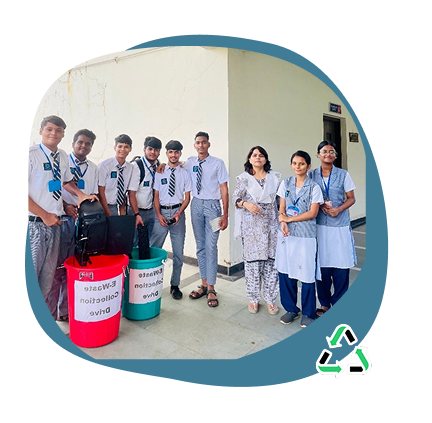
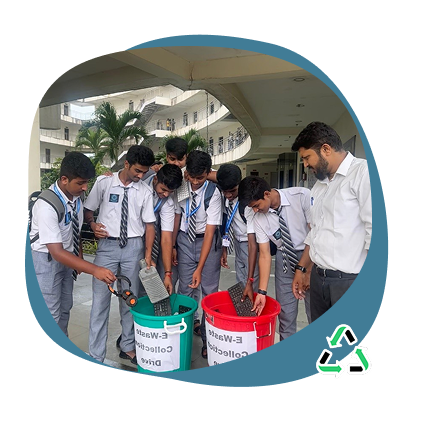
- Designated Collection Points: Establish convenient and clearly marked e-waste collection points across the campus.
- Regular Collection Schedule: The Committee organizes regular collection drives to encourage continuous participation of students.
Impact:
- Reduction in E-Waste: Regular collection helps reduce the amount of e-waste sent to landfills.
- Increased Awareness: Students and staff become more aware of e-waste issues and adopt more sustainable practices.
- Sustainable Campus Culture: Contributes to a culture of sustainability and environmental stewardship within the college.
By integrating e-waste collection as a regular activity, colleges play a significant role in promoting environmental sustainability and responsible waste management practices.